
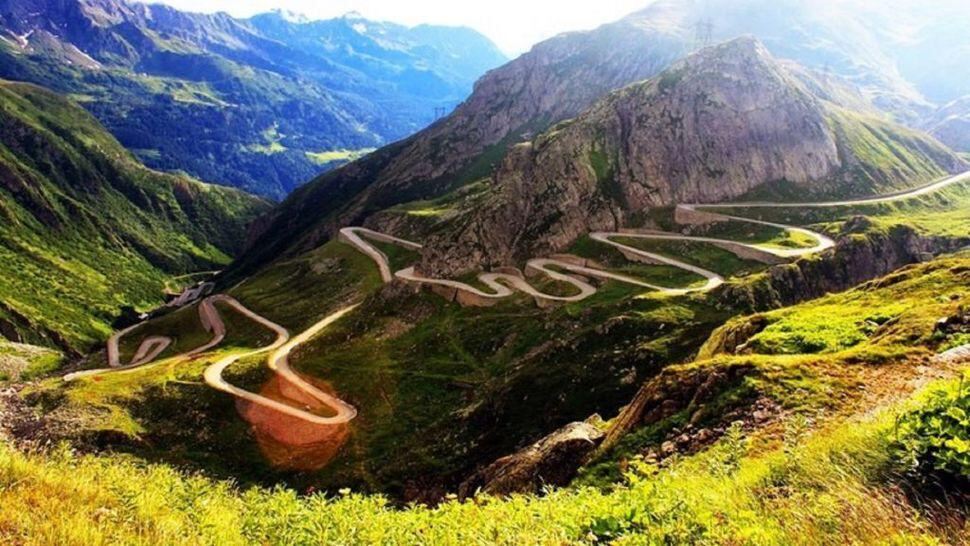
Entrepreneurs in the tourism sector in the Transalpina area (DN 67C) are protesting against the decision of the National Road Infrastructure Administration Company (CNAIR) to keep the Curpăt – Obârșia Lotrului section closed, arguing that the measure generates significant economic losses. As a solution, local economic operators are proposing a public-private partnership to take over the costs and logistics of clearing and maintaining the road in winter, an initiative rejected by the road authority, which cites safety and legal framework reasons.
Economic operators in the Sebeș Valley claim that the weather allows safe traffic and are willing to intervene on their own to ensure access for tourists. Their proposal is a partnership between local business, Alba and Valcea county councils and CNAIR. The contractors estimate an annual budget needed to maintain the road of between 450,000 and 600,000 lei (around €88.5 – €118,000), which would cover fuel, staff and anti-skid materials. According to their analysis, based on accounting data from the last three years, the closure of the road between October and June causes a 40-60% drop in tourist flows and annual direct losses of around 6-7 million lei (€1.18-1.38 million) for accommodation, restaurants and related services in the Oașa – Obârșia Lotrului area.
In response, CNAIR officially communicated that the decision to close the Transalpina and Transfăgărășan is an annual measure taken for the safety of traffic participants, according to the AND 615-2020 regulation on mountain roads. The company specifies that the decision is based on the minutes of some Special Review Commissions and is motivated by risks such as heavy snowfalls, blizzards, avalanches, rock falls or the formation of ice, phenomena accentuated by atmospheric instability at altitude. Moreover, CNAIR emphasizes that the maintenance of road infrastructure is its exclusive responsibility and cannot be delegated to private operators, adding that the objective is to keep traffic open for as long as possible, but only in safe conditions.