
Before diving into the topic of the RHN relaunch and the upcoming reopening of hotels, I would like to offer a brief preamble. As many of our long-time readers may have noticed, our concept for the Romanian Hospitality Newsletter has been focused for 15 years on detecting the most relevant news about the hotel industry and all adjacent economic sectors, presenting them once a week to all interested parties in the country and abroad through a newsletter with a lower frequency but internationally relevant news.
Due to our primary activity in hotel consultancy, which focuses more on investment activity and less on operations, we aimed not to interfere with the news flow. Personally, I preferred to appear with professional opinions in the newsletter only by having them picked up from economic publications that requested them.
Today, we are entering a new stage with RHN, and I will make an exception to the editorial concept described above. You will notice that the rhn.ro website, built around 2007, has been relaunched based on more modern web technology, including the use of AI for English article translations. We also have a new logo; I hope you like it and that it conveys the same sense of freedom that led me in this creative direction, noting a fit with the field of news flows and, why not, the tourism industry. Therefore, despite many improvements still to be made, I have managed to bring the site to a good level for launch, modernized the Romanian newsletter template, and I am sure we will soon be ready with the English version as well.
I have received quite a few questions from journalists during this period, but I avoided making too many statements because I was, and still am, truly outraged by the measures taken in Romania, sensing from the beginning the gravity of the economic consequences, not only in the hotel sector. Personally, I didn’t stay home much, choosing to work at the office as if nothing had happened.
I continued working on the two hotel development projects I was involved in when the state of emergency was declared, worked on the website, started several personal projects, and remained connected to the international information flow in the hotel field. I participated online in a conference that usually hosts about 2,500 people in the same conference center, and I was amazed to find that technology already exists to allow participation in such a conference day with people from all over the world, without lacking networking facilities, booth organization, or parallel debates on different topics. In fact, the online conference was such a success that the organizers decided to repeat it on May 12 as an event for hoteliers to sync their watches globally. The spirit of the first conference was positive, and I am convinced that tomorrow I will see an improvement in it. Moving forward, I would like to convey as much of this positive spirit to you as I can.
The financial projections I am working on are built on the premise that the situation we find ourselves in is not entirely new for existing hotel owners. All hotel owners have gone through at least one opening, depending on the number of hotels they own. The new part is that this time, all hotel owners will open at approximately the same time, give or take a few days depending on the political decisions of the country in which they operate. If we ignore this astonishing part of the problem or the serious reopening costs and focus only on what we know, we remember that a hotel needs 3-4 years to reach the stabilization stage.
So, dear hotel owners, expect to reach performance levels like those of 2018 and 2019 only in 2023. Ignore the prophecies about how the world will never be the same after the so-called corona pandemic. There will be extremely powerful forces trying to maintain prevention measures for as long as possible, but I rely on the invincible spirit of the human being who wants to resume their previous life as soon as possible. I believe people will act based on a discernment that, in certain situations, does not fail.
In the coming period, expect good things regarding the recovery of LEISURE demand. Half of your Romanian clients (the appearance of foreigners is not yet an option) will immediately resume their habits, while the other half will delay this for financial reasons, gradually joining the first half as soon as they recover financially. And do not forget that they will not rush to leave the country, so the maximum pressure will be on weekends.
Regarding the recovery of BUSINESS demand, the individual segment will return first because I have personally experienced plenty of the difference between a ZOOM meeting and a face-to-face one. However, I could not rely very heavily on the discernment at the corporate CEO level regarding policies adopted in the near future.
As for the group segment, this will recover the hardest but will debut with rescheduled events. And to smile a little, I sincerely hope we don’t find ourselves having to permanently implement a new set-up in the capacity tables of meeting and conference rooms, such as 2m_Theatre:
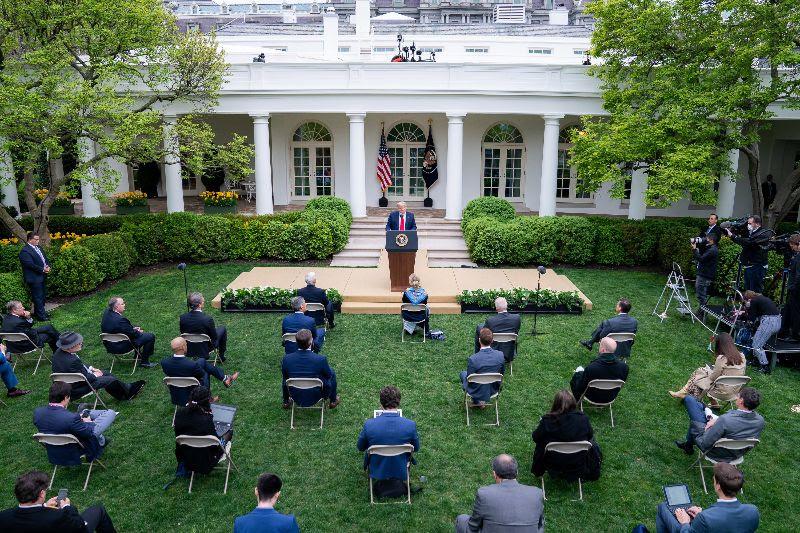
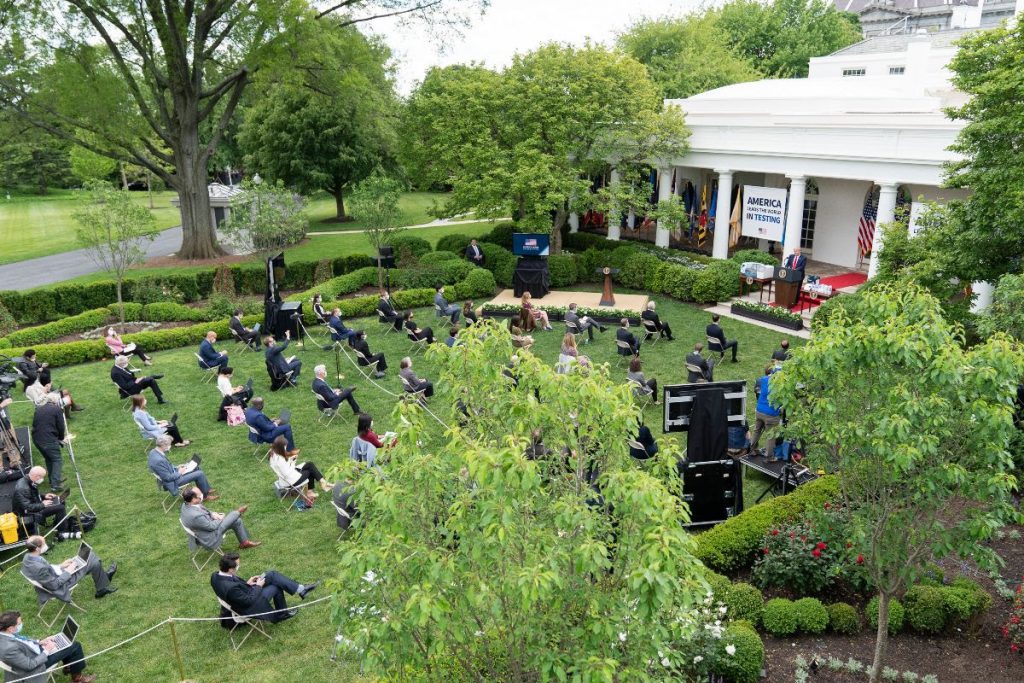
The last type of demand to recover is obviously international demand. I have many questions because at this hour there are no good signals regarding the opening of borders. International tourism will unfortunately be dependent on the political decisions of nations that will be aligned with various power centers, and fortunately, Romania is today a country clearly positioned on the geopolitical map. First, an intermediate type of demand between domestic and international might manifest, specifically regional demand—an example here being tourism within the Schengen area or within the European Union.
I have also received many calls from hotel owners, some of whose properties were listed for sale before the black swan entered the scene in March. You are likely familiar with the HOTELSFORSALE.RO project launched by Fivestar Hospitality two years ago. We are glad we achieved a beautiful transaction in 2019, but at this moment, the prospects are not very encouraging. The sale prices of hotel properties are currently affected by approximately 30-40%. This estimate is based both on the need to cover negative cash flows from own funds in the immediate period following acquisition and on the decrease in cash flows until stabilization, added to which is the increase in WACC (weighted average cost of capital) which affects the present value of future cash flows when evaluating through the DCF method.
Currently, there are contradictory statements in the government environment regarding hygiene standards and operating under these special conditions. You don’t have many materials provided by Romanian or European authorities to guide you, which is why I suggest these links from across the ocean:
AHLA – BACK TO BUSINESS CENTER
Subsequent EDIT (2:00 PM May 11): latest instructions published by INSP
Until next time when I venture to write to you again, do not hesitate to send me feedback in the comments section,
yours,
Alexandru-Sorin Ionescu
Founder and Director FIVESTAR HOSPITALITY
Frequently Asked Questions
When is the hotel industry expected to stabilize?According to current financial projections, hotels are expected to reach performance levels similar to those of 2018 and 2019 only by the year 2023.
Which tourism segments will recover first?Domestic leisure demand is expected to recover first, followed by individual business travel, while group events and international tourism will take the longest to return.
How have hotel property values been affected by the pandemic?Hotel sale prices are estimated to have decreased by approximately 30-40% due to immediate negative cash flows and an increased weighted average cost of capital (WACC).