
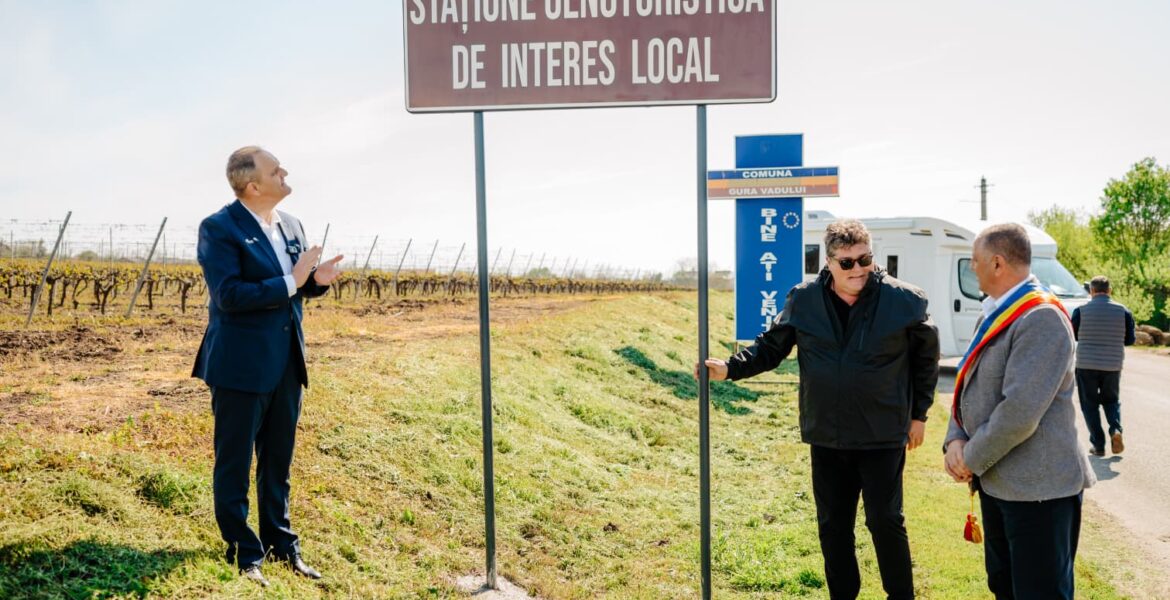
Gura Vadului commune in Prahova county became on Thursday, April 23, the first wine tourism resort in Romania, marking the launch of a regional strategy to transform wine-growing areas into economic development poles. The project aims to capitalize on local tradition and winery infrastructure to attract a constant flow of visitors, benefiting from massive financial support from county authorities.
The Prahova County Council announced an investment plan based on the development of transport and accommodation infrastructure, which includes modernizing communal roads through vineyards and setting up bicycle paths. A central point of the strategy is the creation of facilities for tourists traveling with caravans and campers, four such parks already being in the early stages in the localities of Fântânele, Gura Vadului, Vadul Săpat, and Urlați. These projects are to be supported through a financing mechanism estimated at 70 million EUR, with an operationalization deadline in the fall of this year, after the completion of utility network works.
Authorities aim to extend this development model to other areas with high viticultural potential, analyzing the inclusion of Urlați, Boldești-Scăeni, Ceptura, and Valea Călugărească in the network of wine tourism resorts. The official event was attended by the President of the Prahova County Council, Emil Drăgănescu, the county’s public administrator, Sora Nicolae Marius, Mayor Cătălin Păduraru, and representatives of the private sector, including the President of VINARIUM, Constantin Titi Badea, and the management of ADI “Ținutul Vinului” (Wine Land).
Frequently Asked Questions
What makes Gura Vadului unique in Romania?
Gura Vadului is the first commune in Romania to be officially designated as a wine tourism (oenotourism) resort, focusing on vineyard-based economic development.
What infrastructure improvements are planned for the region?
The plan includes modernizing roads through vineyards, building bike paths, and creating four dedicated parks for caravans and campers.
How much funding is allocated to this regional strategy?
The project is supported by a financing mechanism estimated at 70 million EUR, aimed at developing infrastructure and utility networks.