
The Republic of Moldova reveals a distinct beauty and an amazing diversity. From sprawling vineyards and lively cities to picturesque villages and ancient monasteries, this country hides a multitude of treasures waiting to be discovered.
Moldova has something to offer every tourist. Below is a list of just a few of the places worth visiting:
- Țaul Park
Țaul Park is located in the southern part of Țaul village, Dondușeni district. It covers an area of 46.2 hectares and is located a few kilometers from the town of Dondușeni and approximately 200 km from Chișinău. It is a protected area in the Republic of Moldova, representing a monument of landscape architecture.
- Tighina Fortress
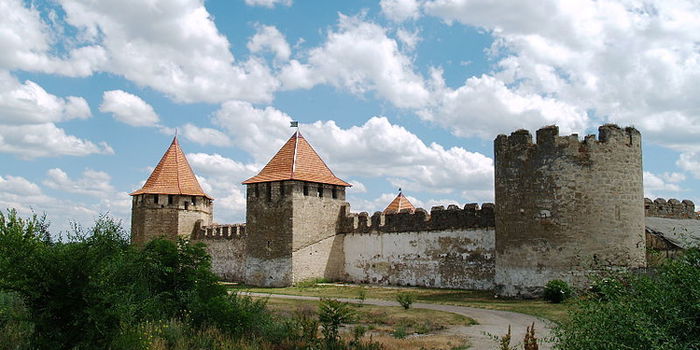
Tighina Fortress, renamed Bender by the Turks, is a 15th-century Moldovan fortress from the reign of Stephen the Great, who originally built it from earth and wood—a palisade—to defend the ford from the Tatars. The earthen fortress was likely round or semicircular, featuring a moat and a defensive rampart, with mud-hut style dwellings built at the base of the rampart inside the fortress. This is evidenced by excavations that discovered the remains of a burned dwelling and various household objects dating from the 15th–16th centuries.
- Stephen the Great Public Garden in Chișinău
Stephen the Great Public Garden in Chișinău is the oldest park in the city, a gem of the city’s cultural heritage. With a rich history, this park was planted in 1818 and has held several names over time, including Alexander Garden, Alexander Pushkin Park, and the City Public Garden.
The current name, Central Park, was adopted in the 1990s following the independence of the Republic of Moldova.
- The Metropolitan Cathedral in Chișinău, Cathedral Square, and the Triumphal Arch
The Metropolitan Cathedral, built between 1830-1836, is a significant achievement of local architecture. The project was initiated by Metropolitan Gavriil Bănulescu-Bodoni, and construction began nine years later. The cathedral, designed by architect Avraam Melnikov, embraces the late Neoclassical style with Greek-inspired columns.
- The Candle of Gratitude in Soroca
At the entrance to the city of Soroca, on the banks of the Dniester, rises a distinctive symbol—the “Candle of Gratitude” Monument. This unique architectural sculpture represents a hallmark of the region and an embodiment of cultural and historical values.
Inaugurated in 2004 on the highest peak of Zastânca Hill, this monument represents a significant achievement in modern Moldovan history. Proposing a silhouette reminiscent of a candle raised toward the sky, the “Candle of Gratitude” monument is an expression of gratitude toward ancestors and inherited cultural values.
Frequently Asked Questions
What is the oldest park in Chișinău?
The Stephen the Great Public Garden is the oldest park in Chișinău, having been planted in 1818.
When was the Tighina Fortress originally built?
The fortress dates back to the 15th century, during the reign of Stephen the Great, originally serving as a wooden and earthen defense structure.
What does the Candle of Gratitude monument represent?
Located in Soroca, it is a symbol of gratitude toward ancestors and the cultural heritage of the Moldovan people.