
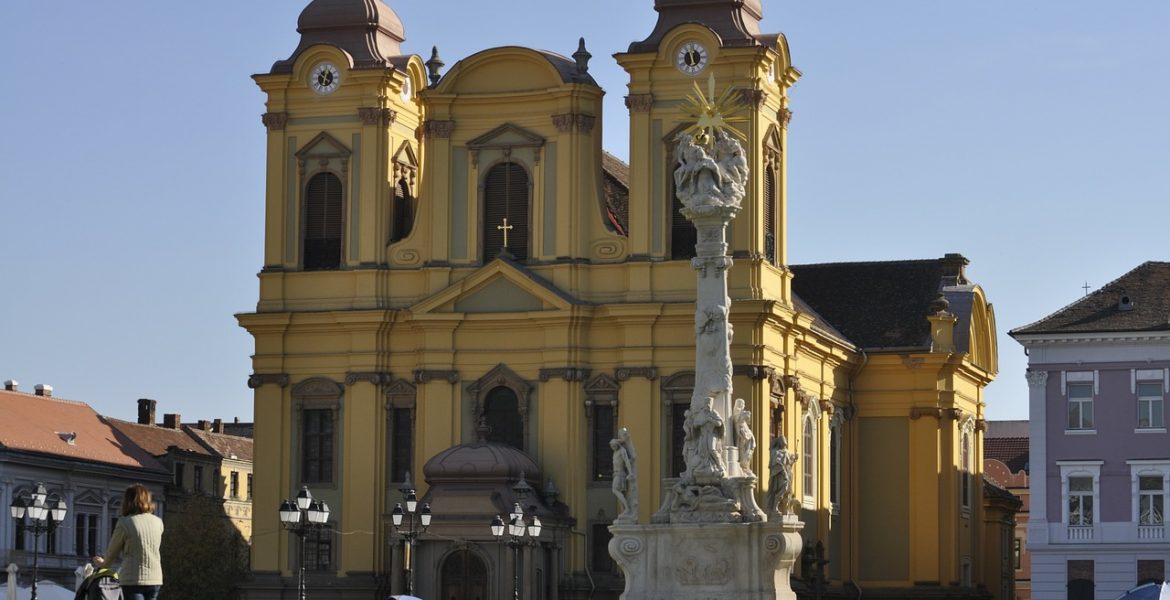
The European Commission has proposed that Timișoara become the European Capital of Culture only in 2023, as the pandemic has had a negative impact on tourism and cultural initiatives.
Amidst the coronavirus crisis, the Commission decided to offer the cities of Rijeka (Croatia) and Galway (Ireland), which currently hold this title, the possibility to maintain their status as European Capitals of Culture until April 30, 2021. Thus, the two cities will have the chance to implement the initiatives and programs planned for this year but blocked by pandemic-related restrictions.
At the same time, the Commission proposes that Novi Sad (Serbia), which was also set to be a European Capital of Culture in 2021, postpone this program until 2022, and that Timișoara and Elefsina (Greece) take over the title in 2023.
Before the pandemic, Timișoara expected more than 800,000 tourists to stay at least one night in the city and over 200,000 day visitors in 2021—when it was originally scheduled to become the European Capital of Culture—a number 2.5 times higher compared to the previous year.
Frequently Asked Questions
Why was Timișoara’s Capital of Culture title postponed?The postponement was proposed by the European Commission due to the negative impact of the COVID-19 pandemic on the cultural and tourism sectors.
Which other cities are affected by these calendar changes?The decision affects Rijeka, Galway, Novi Sad, and Elefsina, providing them with additional time to implement their cultural programs.
What were the tourism forecasts for Timișoara before the pandemic?Authorities estimated over 800,000 overnight tourists and more than 200,000 day visitors for the original 2021 schedule.