
The Ministry of Economy, Energy, and Business Environment (MEEMA), through the International Relations and European Affairs Service in the Field of Tourism, has created a voluntary recognition system for Cultural Tourism Routes developed by tourism organizations or local public authorities.
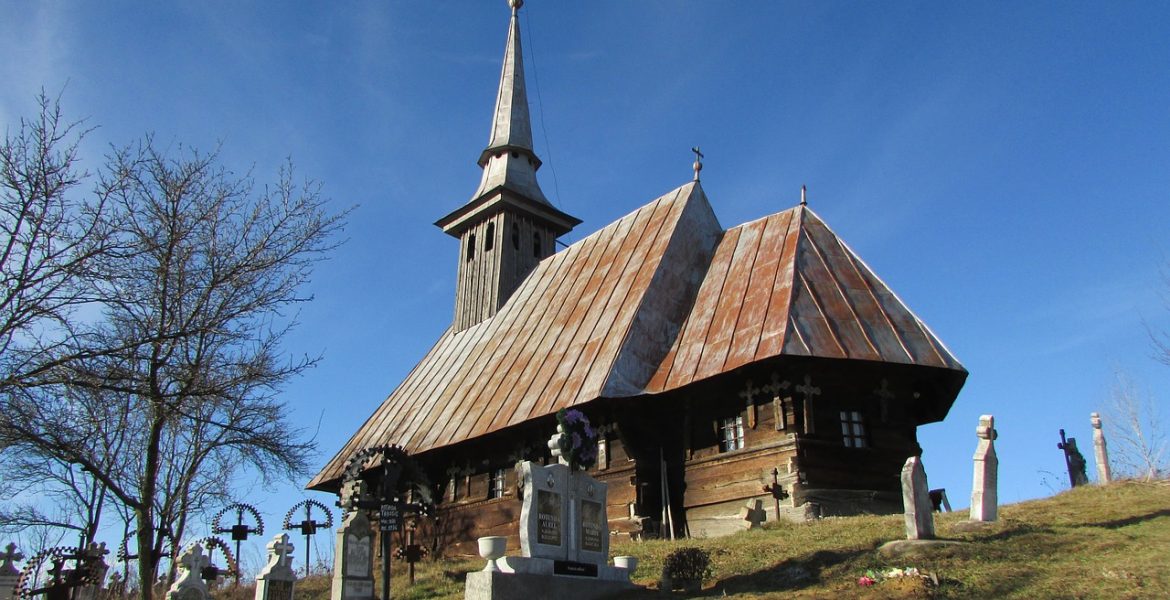
Thus, on June 23, the first Cultural Tourism Route was recognized: the Wooden Churches Route in Bihor County.
Procedurally, after submitting the documentation to the Ministry of Economy, Energy, and Business Environment, the authors will receive a response within 30 days regarding recognition as a local, regional, or national Cultural Tourism Route. National Cultural Tourism Routes must include tourist attractions from at least 3 counties, while those created at the regional level must include at least 2 localities.
Several tourist attractions in our country are included in 8 cultural routes certified by the Council of Europe, namely the Transromanica Route, the Jewish Heritage Route, the Route of Significant Cemeteries, the Art Nouveau Route, the Roman Emperors and Danube Wine Route, the ITER VITIS Cultural Route, the ATRIUM Cultural Route, and the Iron Curtain Trail.
Additionally, Romania is part of the Ancient History of Romania on the Black Sea Route and the Route of Voivode Stephen the Great and Holy in Romania and the Republic of Moldova.
Currently, the National Route of Historical Spa Towns and Resorts and the National Route of Romanian Wine are in the process of being finalized.
Frequently Asked Questions
What is the first recognized Cultural Tourism Route in Romania?The first officially recognized route is the Wooden Churches Route in Bihor County, certified on June 23.
What are the requirements for a National Cultural Tourism Route?A national route must include tourist attractions spanning at least three different counties.
How long does the recognition process for a tourism route take?The Ministry of Economy provides a response regarding the recognition of a route within 30 days of documentation submission.