
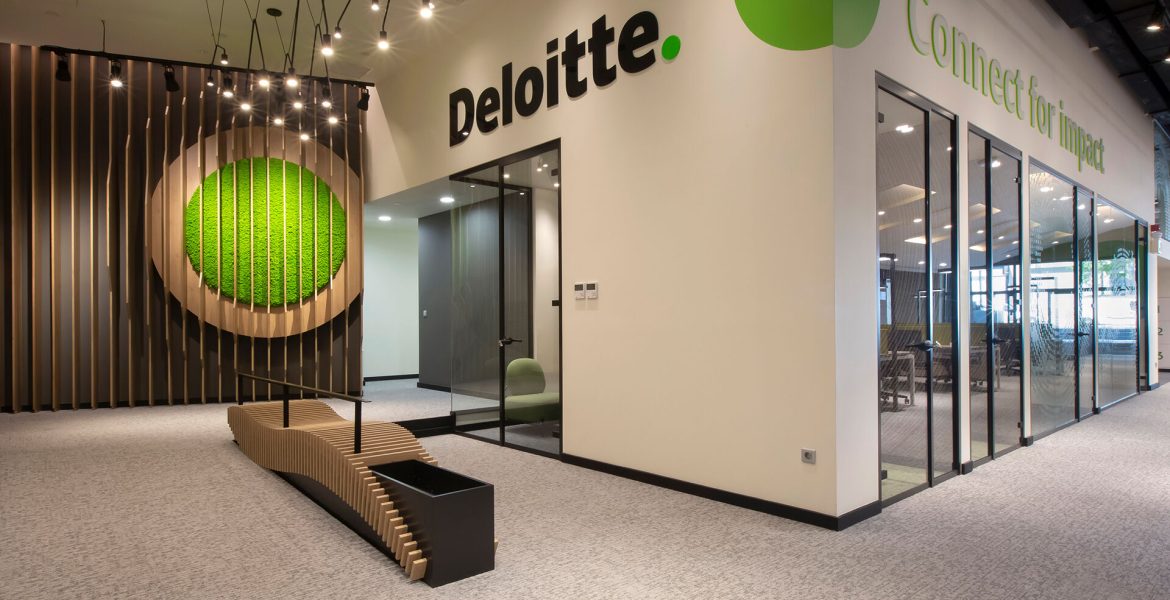
The positive evolution of the global vaccination rate and continued flexibility in the labor market have contributed to the resumption of travel, causing the number of tourists arriving and staying in hotels to increase by 50% in the latter part of this year compared to last year, according to a Deloitte study.
According to the Deloitte study, people who can work remotely are more likely to travel for longer periods and increase their vacation budget compared to 2019, relative to people who wish to disconnect completely from their professional activity during travel. “Of those planning to work during their vacation, 75% extend their trip by at least one day,” say the study’s authors.
When it comes to the accommodation budget, nearly 60% of survey participants say they will spend the same amount on travel as two years ago, and 21% much more. Most study participants said they appreciate the measures imposed by authorities to limit the spread of the virus; 64% are more likely to book a flight if mask-wearing is mandatory and 58% if proof of vaccination is required.
“The appetite for travel has returned with the increase in vaccination rates and the economic recovery. In Europe, Eurostat figures show an increase of over 20% in tourist accommodations this summer compared to the same period last year, against the backdrop of a growing confidence rate in the European economy.
In Romania, the advance was over 50% during this period. Regarding the security measures taken by European authorities, 65% of Europeans agree that the digital COVID-19 certificate is the safest way to travel freely in the EU during a pandemic, according to the latest Eurobarometer survey. In Romania, the share is 56%,” said Raluca Bâldea, Tax Services Partner at Deloitte Romania.
According to the analysis, those who do not travel cite the pandemic as the main reason, followed by financial concerns. At the same time, the vaccination status of children affects holiday plans; 10% of people under 55 cite this reason for giving up travel, and one in seven avoids accommodation. Attitudes toward travel also change with age. Consequently, people over 55 are more cautious than younger ones—they travel less and their trips are shorter.
In the context of the winter holidays, 60% of participants declare their willingness to organize a trip with friends or family, and 54% decide to stay in a hotel or private unit. People who decide to stay in a hotel are motivated by brand trust, expectations regarding compliance with security measures, and available offers. The Deloitte survey was conducted based on the responses of over 6,500 participants from the United States.
Frequently Asked Questions
How has remote work influenced travel trends?
Remote work has allowed travelers to extend their stays and increase their budgets, with 75% of those working during vacation staying at least one extra day.
What are the main factors encouraging people to book flights?
Safety measures are key, with 64% of travelers more likely to book if masks are mandatory and 58% if proof of vaccination is required.
How did the Romanian tourism market perform compared to the EU average?
While the EU saw a 20% increase in tourist accommodations, Romania experienced a significantly higher growth of over 50% during the same period.