
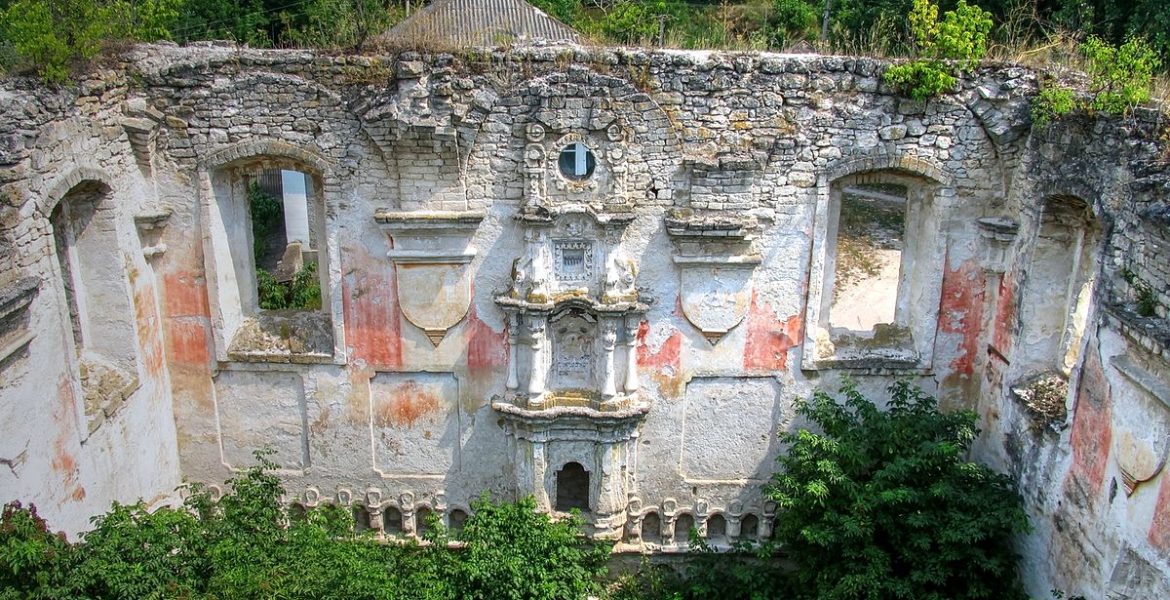
Rașcov village on the left bank of the Dniester is developing its tourism potential.
A team of researchers from the archaeological laboratory of the Taras Shevchenko University in Tiraspol conducted a series of archaeological investigations at the ruins of the Rașcov church on the left bank of the Dniester.
The project was supported by the European Union “Confidence Building Measures” Program, implemented by UNDP.
Within the research project, a new archaeological site was discovered, belonging to the Cucuteni-Trypillia community, along with the oldest Christian necropolis in the region, dating back to the 17th-18th centuries. Additionally, remains were found, including several teeth and small fragments of a lower jaw from an animal belonging to a young Mammuthus elephant, which lived in these parts approximately 100,000 years ago.
Under the EU “Confidence Building Measures” program, two local cultural heritage sites were previously conserved and partially restored: the synagogue and the church ruins in Rașcov.
Frequently Asked Questions
What significant archaeological finds were discovered in Rașcov?
Researchers identified a Cucuteni-Trypillia site, the region’s oldest Christian necropolis (17th-18th century), and 100,000-year-old Mammuthus remains.
How is the development of Rașcov’s heritage being funded?
The conservation and research projects are supported by the European Union “Confidence Building Measures” Program, implemented through the UNDP.
What historical monuments can tourists visit in Rașcov?
Visitors can explore the ruins of the local church and the synagogue, both of which have undergone conservation and partial restoration.