
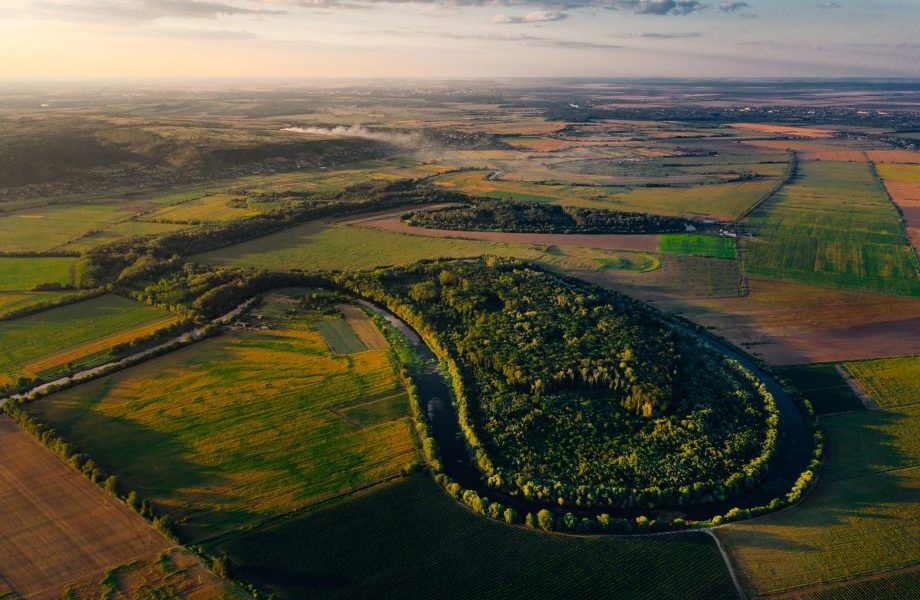
The tourist season is about to begin in the Nature Reserves of the Republic of Moldova.
The country’s most significant reserves—”Codrii,” “Plaiul Fagului,” “Pădurea Domnească,” and “Prutul de Jos”—attract tourists not only through their natural landscapes and rare species of flora and fauna but also through well-maintained tourist trails, information centers, and, in some cases, accommodation/camping facilities or nature museums.
The oldest reserve, “Codrii,” spanning 5,170 hectares, offers visitors the Nature Reserve Museum, which includes approximately 500 samples structured on thematic principles. The museum is perfectly correlated with the reserve’s field conditions, serving functions of conservation, restoration, and presentation of collections to the general public, alongside education and information activities regarding biodiversity conservation. A Dendrological Park and a tourist trail have been established within the reserve, which also provides accommodation options.
“Plaiul Fagului” Reserve is geographically located in the center of the Republic of Moldova. The landscape’s appeal stems from its structured relief, characterized by increasing altitudes and territorial fragmentation. To promote the ancient beech stands (reaching heights of 35 m, average diameters over 1 m, and ages exceeding 100 years), a tourist trail of approximately 2.3 km has been set up, which can be completed in about 2 hours and is of medium difficulty. There are four lakes within this reserve, with rest areas arranged along their shores. The reserve is also notable for the “Beech Festival” (Sărbătoarea Fagului), aimed at developing and promoting the reserve’s tourism potential, traditionally held at the end of May. The “Rădenii Vechi” Environmental Information and Education Center is also currently undergoing renovation.
“Pădurea Domnească” is the largest reserve by area—5,920 hectares—and includes several tourist attractions in the north of the country: Butești Gorges (Cheile Butești), the Great Rock (Stânca Mare), the Hundred Mounds (Suta de Movile), the Bison Sanctuary (Zimbrăria), ancient oaks, the Land of Herons (Țara Bâtlanilor), and the “La Fontal” eco-tourism guesthouse, which serves as a relaxation point for tourists. The most important attraction, however, remains the Bison Sanctuary, which currently houses seven mammals (5 males and 2 females).
With the aim of protecting, preserving, and studying the marsh ecosystem and the floodplain of the Prut River, the “Prutul de Jos” Reserve was created. The universal value of this natural heritage was recognized by its declaration as a wetland of international importance, especially as a habitat for water birds, following the adoption of the Ramsar Convention. Through the impressive diversity of habitats and life forms it hosts within a relatively confined space, “Prutul de Jos” constitutes a true museum of biodiversity. Opportunities for visiting the reserve are varied and depend on the time available, the age category of the tourists, and the hydrological level of Lake Beleu, which is the most important attraction in this area. Excursions are possible on both land and water trails, each with a length of 3 km.
Frequently Asked Questions
What are the main nature reserves to visit in Moldova?
The four primary reserves are Codrii, Plaiul Fagului, Pădurea Domnească, and Prutul de Jos, each offering unique ecosystems and tourist facilities.
Where can I see bison in the Republic of Moldova?
Bison can be observed at the Bison Sanctuary (Zimbrăria) within the Pădurea Domnească reserve, which currently hosts seven individuals.
What is the significance of the Prutul de Jos reserve?
It is a Ramsar-protected wetland of international importance, home to Lake Beleu and a vast diversity of aquatic bird species.