
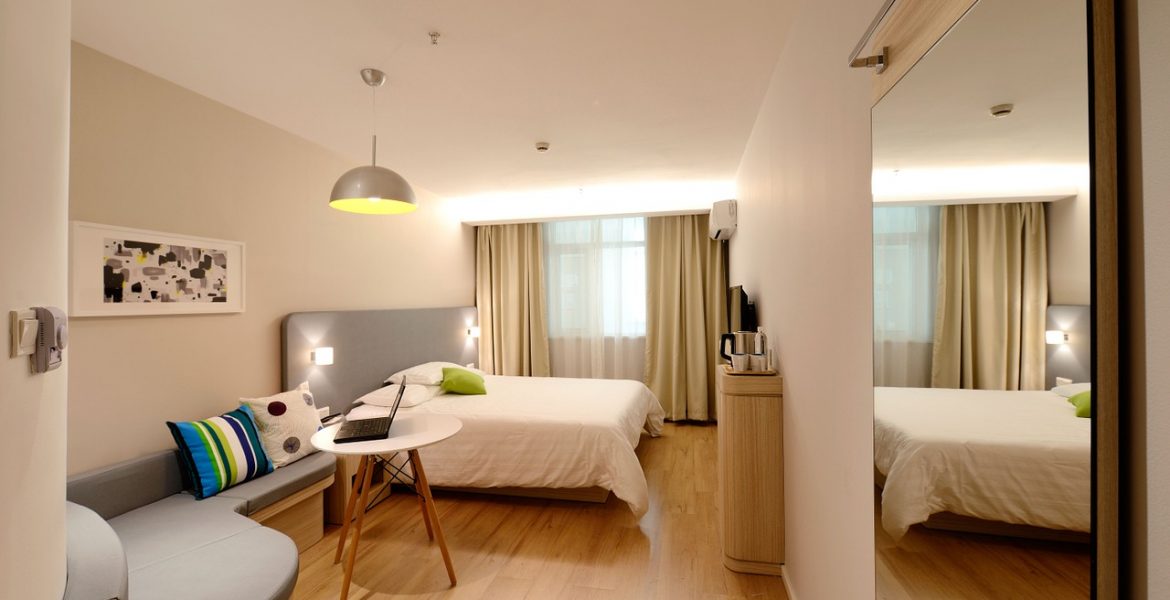
Half of the Romanians who had booked stays in recent months at various hotels across the country have changed their minds and canceled their vacations. Consequently, while about 40% of hotel capacity was booked a month ago, this percentage has now dropped to 20%—an unprecedented event in the last 30 years of Romanian tourism, stated Dragos Raducan, First Vice-President of the Federation of Romanian Tourism Employers (FPTR).
He explains the wave of cancellations by the authorities’ recent announcement that restrictions will not be relaxed during the holiday period.
“While last year mountain hotels were 100% booked two months before New Year’s Eve and we even had waiting lists, now, as of December 1st, only 40% of the accommodation capacity was reserved. But even these reservations are not firm, because in the last two weeks, half of these bookings have been canceled,” Raducan specified.
Authorities recently announced, through the Secretary of State in the Ministry of Internal Affairs, Raed Arafat, that current rules will not be tightened, but there are no plans for relaxation either—specifically regarding allowing movement until 1:00 AM on Christmas and New Year’s Eve, as proposed by hospitality industry representatives. Raducan states that, under these conditions, it is very difficult to make an estimate regarding the occupancy rate of resorts for New Year’s Eve.
Frequently Asked Questions
Why are tourists canceling their New Year’s Eve reservations in Romania?Tourists are canceling due to the authorities’ decision not to relax movement restrictions during the holidays, maintaining the existing curfew.
What is the current hotel occupancy rate for the holiday season?The occupancy rate has dropped to approximately 20%, a significant decrease from the 40% recorded just a month ago.
Will there be any relaxation of restrictions for New Year’s Eve?No, authorities have confirmed that current rules will remain in place, and movement will not be permitted until 1:00 AM as the industry requested.