
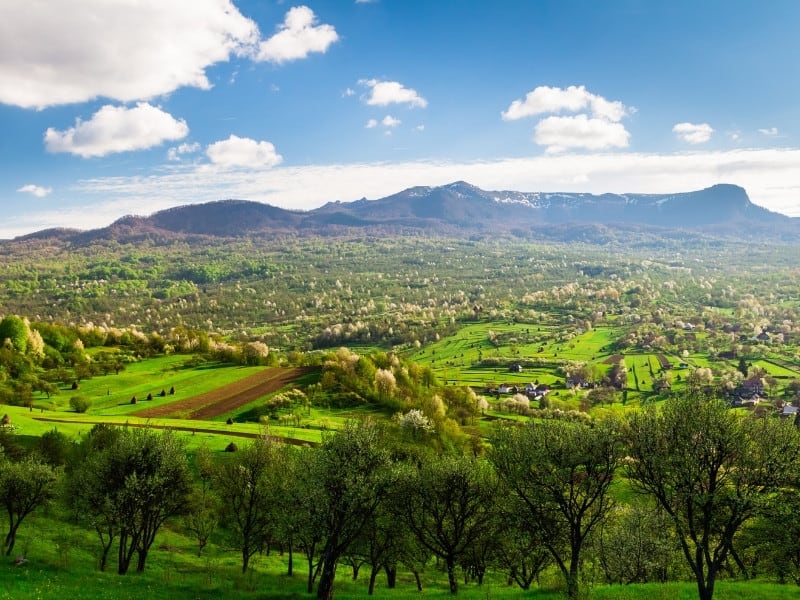
The ecotourism destination status for the Mara – Cosău – Creasta Cocoşului area in Maramureş has been extended by three years.
The destination, currently promoted under the Eco Maramureş brand, covers four administrative-territorial units in Maramureş County, namely: Budeşti, Călineşti, Deseşti, and Ocna Şugatag.
Maramureş is primarily known for its local traditions and wooden churches, monuments included in the UNESCO World Heritage List, while also offering significant opportunities for developing nature-based tourism programs.
The seven areas that hold ecotourism destination status in Romania are:
Zărneşti-Piatra Craiului, Braşov Co.;
Ţinutul Zimbrului-Parcul Natural Vânători, Neamţ Co.;
Eco Maramureş (Mara – Cosău – Creasta Cocoşului), Maramureş Co.;
Ţara Dornelor, Suceava Co.;
Retezat – Ţara Haţegului, Hunedoara Co.;
Colinele Transilvaniei, Braşov, Mureş and Sibiu Co.;
Băile Tuşnad and Surroundings, Harghita Co.
Frequently Asked Questions
What local communities are part of the Eco Maramureș destination?
The destination includes the administrative territories of Budești, Călinești, Desești, and Ocna Șugatag in Maramureș County.
How long is the ecotourism status valid for this region?
The ecotourism destination status for the Mara – Cosău – Creasta Cocoșului area has been extended for a period of three years.
How many official ecotourism destinations currently exist in Romania?
There are currently seven certified ecotourism destinations in Romania, including Zărnești, Ținutul Zimbrului, and Eco Maramureș.