
Romania’s historical and architectural heritage is seeing growing appeal among international tourists, with landmarks such as Peleș, Bran, and Corvin Castles becoming key drivers for promoting national cultural tourism.
According to a report by bugetul.ro, these sites consistently feature in the guides and recommendations of international travel platforms. Peleș Castle in Sinaia, a royal summer residence built in the second half of the 19th century, stands out for its architectural value and art collections. In Brașov County, Bran Castle enjoys strong international renown tied to the Dracula legend, while Corvin Castle in Hunedoara, a 15th-century Gothic and Renaissance fortification, earned the Travellers’ Choice distinction on Tripadvisor.
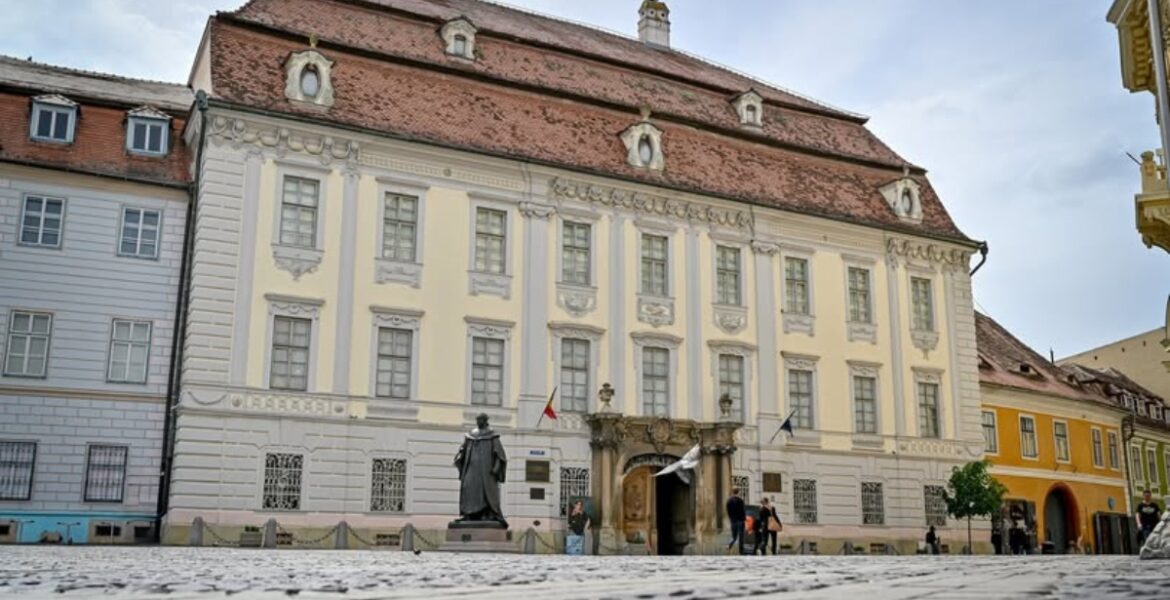
This cultural potential is further bolstered by other heritage sites, including Pelișor Castle in Sinaia, Mogoșoaia Palace, Făgăraș Castle, Râșnov Fortress, Sturdza Castle in Miclăușeni, Bethlen-Haller Castle, and Brukenthal Palace in Sibiu. These landmarks enable the development of integrated tourist circuits linked to urban hubs such as Sibiu, Brașov, or Sighișoara. However, optimal long-term capitalization relies on major investments in restoration and maintenance, alongside upgrading transport infrastructure and local services.
Frequently Asked Questions
What are the most popular castles to visit in Romania?
The most famous destinations are Peleș Castle in Sinaia, Bran Castle in Brașov County, and Corvin Castle in Hunedoara.
What international recognition has Corvin Castle achieved?
Corvin Castle earned the Travellers’ Choice award on the global travel platform Tripadvisor.
What is required to fully unlock Romania’s castle tourism potential?
Long-term development requires substantial investments in heritage restoration, maintenance, and modern transport and hospitality infrastructure.