
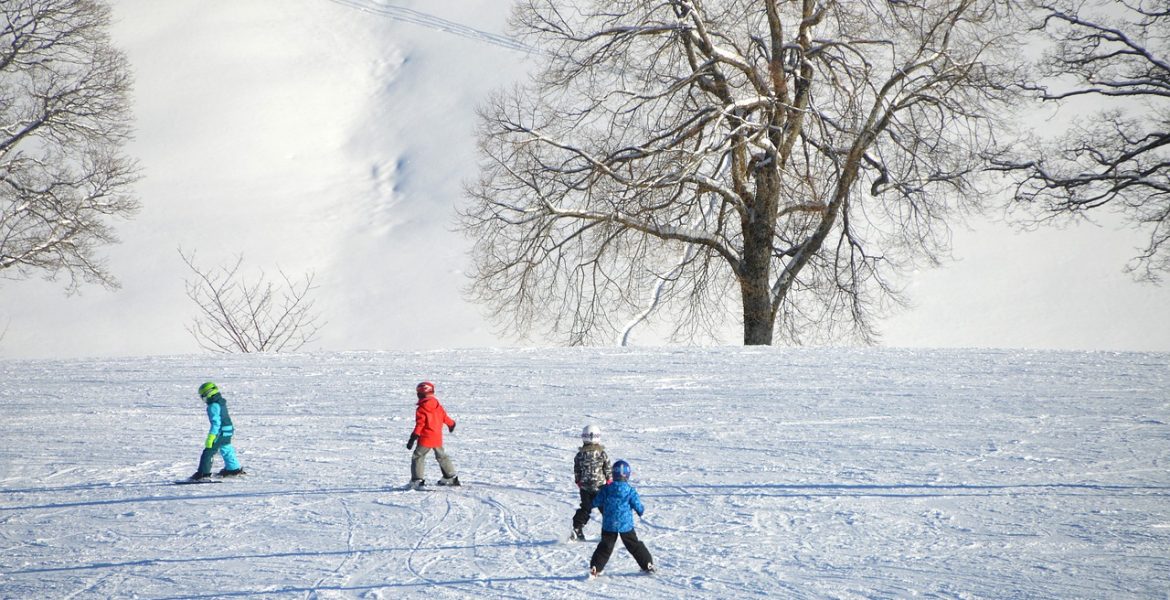
Removing the February winter break led to a decrease in the number of tourists on ski slopes
The removal of the February winter break resulted in a decrease in the number of tourists on ski slopes by approximately 70% in the first week of this month compared to the same period last year, according to a press release issued by the Romanian Cable Transport Association (ATCR) and the Alliance for Tourism (APT).
The two organizations have requested the Ministry of Education to reintroduce the February winter break into the structure of the 2022-2023 school year.
ATCR and APT emphasize that most European countries have not abandoned the winter break.
According to the source, the elimination of the winter break affects hundreds of companies managing ski areas, discourages the organization of ski camps and training sessions, and seriously impacts winter tourism.
ATCR and APT point out that the effects of canceling the students’ February break include increased congestion on roads leading to mountain resorts, queues at cable transport installations on weekends, high cable transport prices on weekends, but lower operator revenues throughout the year, as well as rising accommodation prices, the postponement or cancellation of new private investments in mountain tourism, or the disappearance of a profession (ski instructors), which will not be able to maintain a coherent activity based on only 10-16 days per year.
Frequently Asked Questions
How much did ski tourism drop after removing the February break?
Tourist numbers on ski slopes decreased by approximately 70% in the first week of February compared to the previous year.
What are the main negative effects on the industry?
Key impacts include weekend overcrowding, higher prices, lower overall revenue for operators, and the potential disappearance of the ski instructor profession.
What is the industry’s request to the government?
The ATCR and APT have officially requested the Ministry of Education to reintroduce the February winter break into the school calendar.