
The Ministry of Economy, Entrepreneurship, and Tourism (MEAT) has launched the “Best Practice Guide – Inclusion through Adapted Tourism,” developed by the Caiac SMile association. The guide provides general information, recommendations, and examples of best practices for tourism operators, helping them transform their accommodation facilities into accessible and comfortable spaces for all tourists, including people with various types of disabilities.
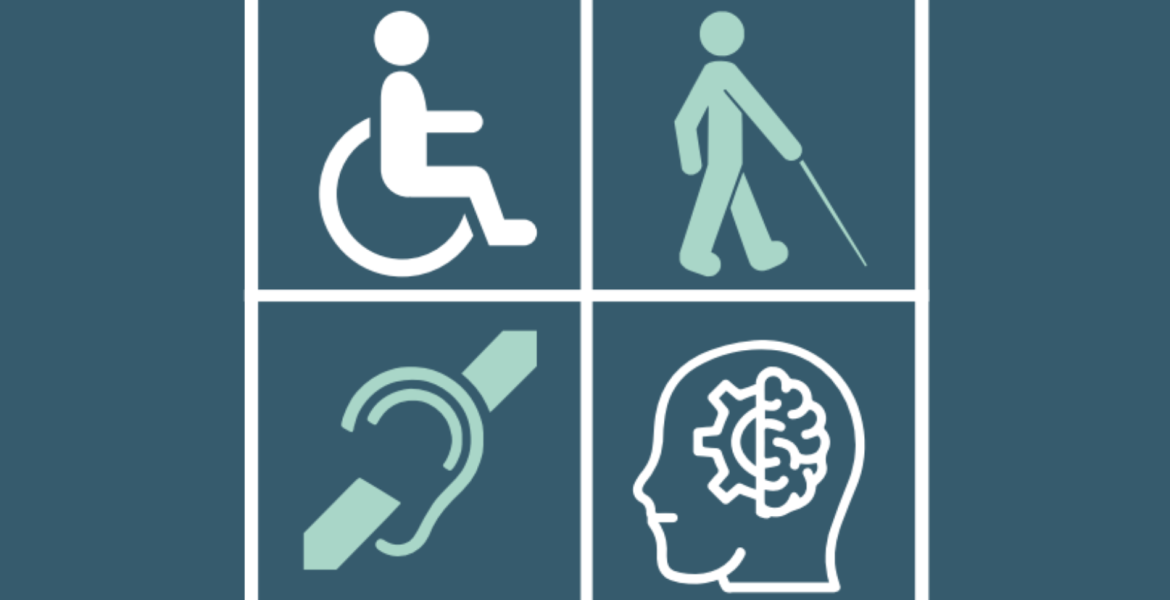
The guide offers recommendations for making accommodation structures accessible, tailored to various types of disabilities, such as physical, visual, hearing, or mental impairments. For people with physical disabilities, for example, it is recommended to arrange special parking spaces as close as possible to the entrance. To support tourists with visual impairments, the guide suggests marking elevator buttons and room numbers with embossed digits. For those with hearing impairments, it is recommended to link the doorbell to an intermittent light signal.
The “Best Practice Guide – Inclusion through Adapted Tourism” also contains communication recommendations. The document is available on the website of the Ministry of Economy, Entrepreneurship, and Tourism and can be accessed at this link.
Frequently Asked Questions
What is the purpose of the MEAT guide?
The guide aims to assist tourism operators in making their facilities accessible and welcoming for people with various types of disabilities through technical and communication solutions.
Who developed this accessibility guide?
The document was created by the Caiac SMile association in collaboration with the Ministry of Economy, Entrepreneurship, and Tourism (MEAT).
What specific improvements are recommended for accommodation?
Recommendations include creating parking spaces near entrances, using embossed numbering for elevators/rooms, and installing light-based doorbells for those with hearing loss.