
18 cultural sites from Alba County will be included in the 12 tourist/cultural routes of Romania’s National Recovery and Resilience Plan (PNRR) – Pillar IV. Social and territorial cohesion, component C11 – Tourism and culture, b) Investments, for promotion and restoration respectively.
From the Alba County Council’s proposal, 13 sites were selected across 8 cultural-tourist routes:
- Castles Route: Banffy Castle in Sancrai
- Traditional Architecture Villages Route: Traditional households in Rosia Montana
- Fortresses Route: Dacian Fortress of Capalna – Sasciori
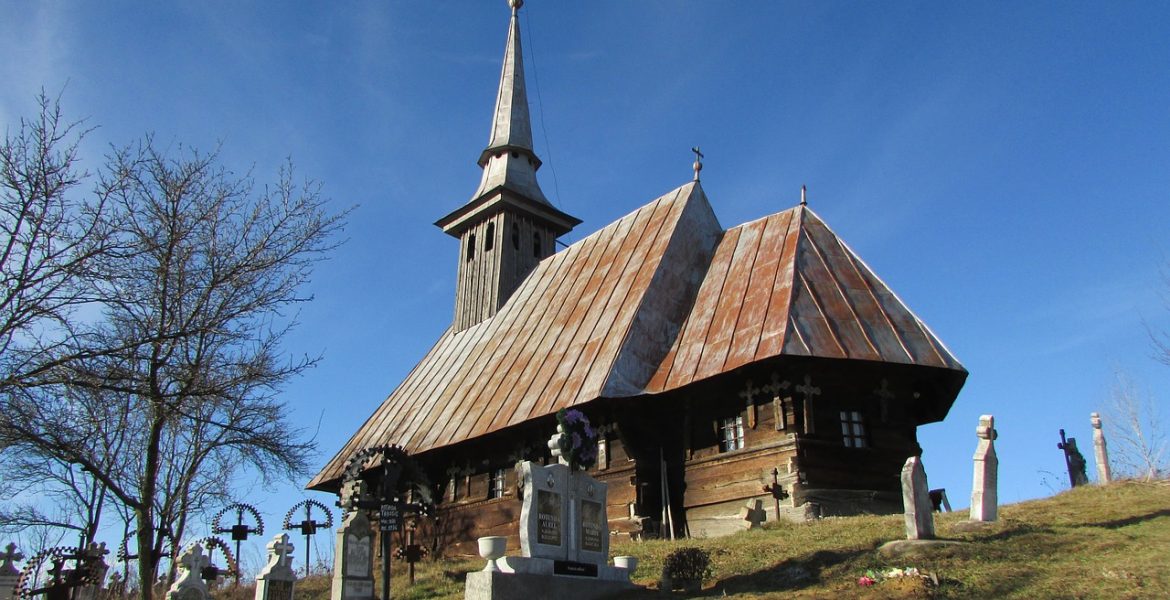
- Wooden Churches Route: “Holy Three Hierarchs” Wooden Church – Goiesti; “Saint Parascheva” Wooden Church Ensemble – Pianu de Sus; “Ascension of the Lord” Wooden Church Ensemble – Arieseni; “Saint Nicholas” Wooden Church Ensemble of Lupsa Monastery – Valea Lupsii.
- Fortified Churches Route: Reformed Fortified Church Ensemble Cricau – Ighiu
- Saint Ladislaus Route: Reformed Fortified Church Ensemble Cricau – Ighiu
- Roman Castra Route: Castrum at Zlatna Trimpoielele – Zlatna; Cetateaua Roman Fortification – Abrud
- Traditional Romanian Gastronomy Route: Potecu Stanelor – Sugag, Sasciori, Pianu communes; Pies on the stone from Apuseni – Stone Land – Arieseni, Garda de Sus, Scarisoara, Albac, Horea communes.
Frequently Asked Questions
Which cultural sites in Alba are included in the PNRR routes?
A total of 18 sites are included, featuring Banffy Castle, the Dacian Fortress of Capalna, and several wooden and fortified churches.
What is the purpose of including these sites in the PNRR?
The inclusion aims to secure investments for the promotion and restoration of these cultural landmarks under the Tourism and Culture component.
Which routes cover the Apuseni Mountains region?
The Apuseni region is represented in the Wooden Churches Route and the Traditional Gastronomy Route, specifically through the “pies on the stone” tradition.