
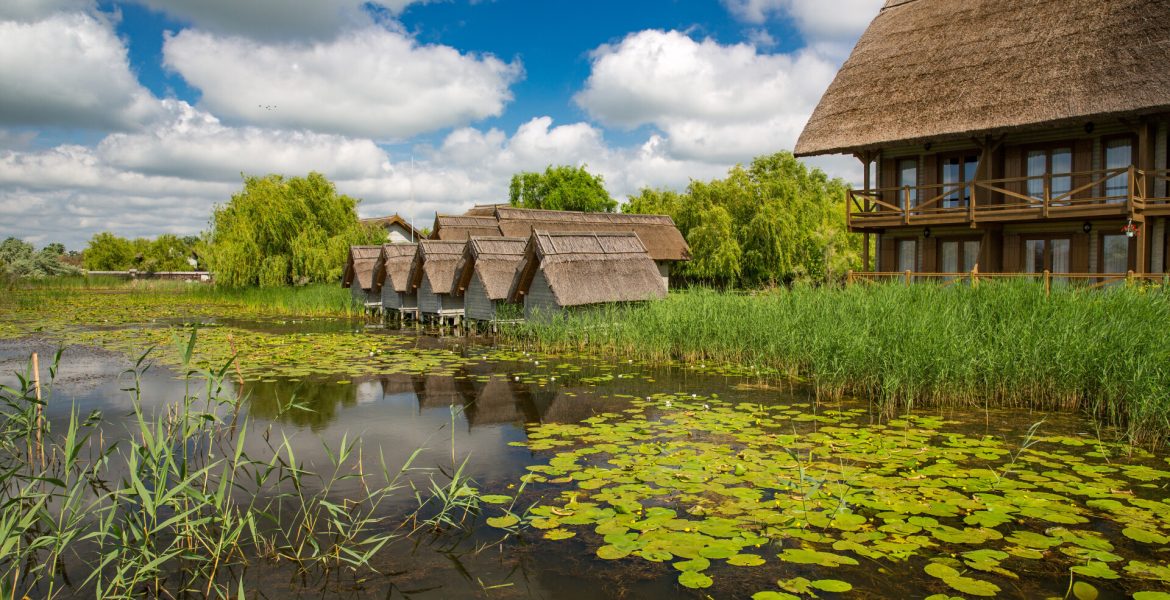
Specialized tourism in the Danube Delta Biosphere Reserve (DDBR), focused on birdwatching, kayaking routes, cycling, and nature photography, recorded an increase of at least 15% this year compared to the previous year. In contrast, the leisure segment experienced significant drops due to repeated RO-ALERT messages issued amid Russian attacks near the border with Ukraine.
According to statements given to the AGERPRES agency by local business operators, visitor behavior differs substantially depending on the motivation for traveling. Iliuță Goean, the representative of a travel agency dedicated to photography and birdwatching tours, explained that leisure tourists panicked due to frequent alerts regarding objects falling from airspace and reports about the Danube’s dropping water levels. In contrast, specialized visitors accept these risks while also benefiting from lower water levels, which concentrated pelican colonies in navigable lakes and canals. Călin Ene, an operator of cycling and kayak tours, emphasized that demand for outdoor activities was primarily driven by foreign tourists, for whom local weather conditions took precedence over drone alerts.
Beyond tourism, the cross-border area of the DDBR—covering a total area of 5,800 square kilometers and comprising territories across Romania and Ukraine, with prospects of integrating the Lower Prut reserve from the Republic of Moldova—hosts biotope restoration projects. In Periprava, on the site of the former communist labor camp, the Rewilding Romania foundation is carrying out a social and ecological renaturing program in partnership with the Institute for the Investigation of Communist Crimes and a Dutch company. According to coordinator Alec Bălășescu, the initiative includes preserving the dike built by former political prisoners, developing a fish farm based on a natural water cycle, and setting up a water testing laboratory in the village’s closed school with the support of the C.A. Rosetti Town Hall—activities that continue despite the sound of explosions and drones near the Ukrainian front line.
Frequently Asked Questions
What drove the 15% increase in specialized tourism in the Danube Delta?
Growth was driven by foreign and niche travelers engaged in birdwatching, kayaking, and cycling, who prioritized favorable conditions and concentrated wildlife over regional border alerts.
Why did leisure tourism decline in the Danube Delta?
Leisure tourism decreased significantly due to public panic caused by repeated RO-ALERT air raid warnings related to Russian strikes near the Ukrainian border and low water levels.
What ecological project is taking place in Periprava?
Rewilding Romania, alongside partners, is conducting an ecological and social restoration program at the former labor camp, focusing on natural fish farming, dike preservation, and water analysis.